
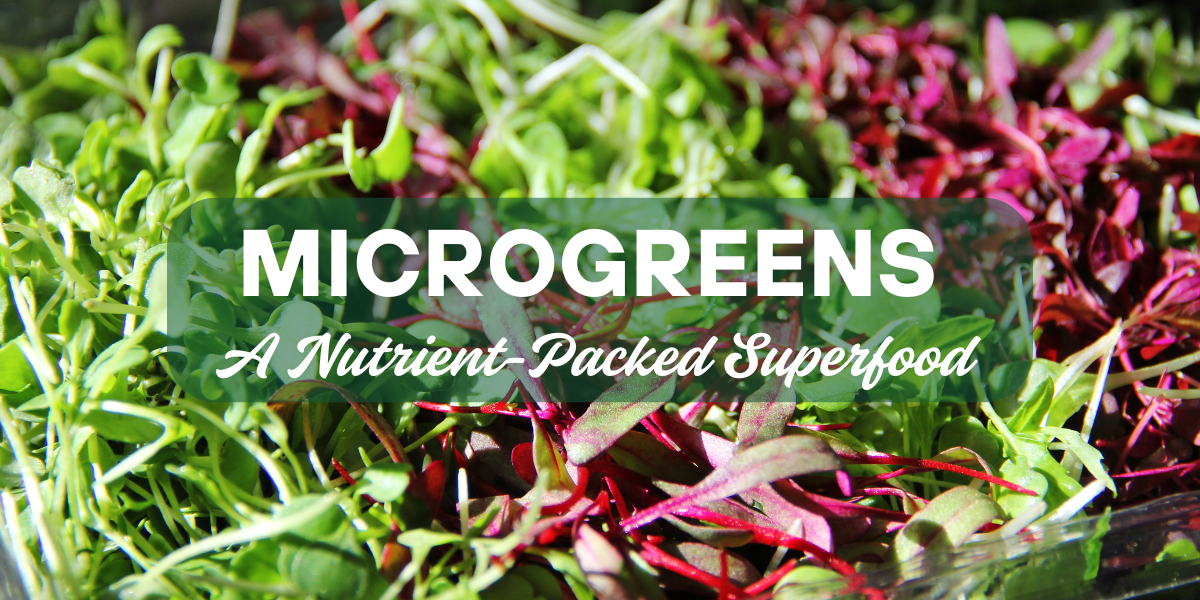
Microgreens: A Nutrient-Packed Superfood for Better Health
Microgreens have gained widespread popularity in recent years due to their high nutritional value, vibrant flavors, and ease of cultivation. These tiny plants are young vegetable greens harvested just after the first true leaves have developed. Often mistaken for sprouts, microgreens differ in that they require soil or a growing medium and sunlight, whereas sprouts are grown in water. As a superfood, microgreens offer numerous health benefits and are widely used in salads, smoothies, and gourmet dishes. This article delves into the scientific research surrounding microgreens, their health benefits, and best practices for growing them.
Nutritional Profile of Microgreens
Scientific studies have demonstrated that microgreens are rich in essential vitamins, minerals, and antioxidants. According to a study published in the Journal of Agricultural and Food Chemistry, microgreens can contain up to 40 times higher nutrient levels than their mature plant counterparts (Xiao et al., 2012). Some of the key nutrients found in microgreens include:
- Vitamins: Vitamin C, Vitamin K, Vitamin E, and Beta-carotene (precursor to Vitamin A).
- Minerals: Calcium, Iron, Magnesium, Potassium, and Zinc.
- Antioxidants: Polyphenols and carotenoids, which play a crucial role in reducing oxidative stress and inflammation.
Health Benefits of Microgreens
1. Rich Source of Antioxidants
Microgreens are known for their high antioxidant content, which helps combat oxidative stress in the body. Free radicals are unstable molecules that contribute to aging and chronic diseases such as cancer and heart disease. A study published in Food & Function suggests that microgreens, particularly those from the Brassicaceae family (e.g., broccoli and kale), contain glucosinolates, which have potential anti-cancer properties (Choe et al., 2018).
2. Supports Heart Health
Cardiovascular diseases (CVDs) are among the leading causes of mortality worldwide. Research indicates that diets rich in polyphenols, found in microgreens, can reduce the risk of heart disease. A study in The American Journal of Clinical Nutrition found that polyphenol intake is associated with improved blood vessel function and reduced blood pressure (Hollman et al., 2011). Microgreens like red cabbage have been shown to lower cholesterol levels and reduce inflammation, further supporting heart health.
3. Enhances Digestive Health
Microgreens contain high levels of dietary fiber, which aids in digestion and promotes a healthy gut microbiome. A balanced gut flora is essential for nutrient absorption and immune function. Some microgreens, such as radish and mustard greens, possess antimicrobial properties that help maintain gut health by inhibiting harmful bacteria.
4. Regulates Blood Sugar Levels
Diabetes is a growing global health concern. Studies indicate that microgreens, particularly fenugreek and broccoli microgreens, can help regulate blood glucose levels. According to research published in Phytomedicine, broccoli microgreens contain sulforaphane, a bioactive compound known to enhance insulin sensitivity and reduce blood sugar levels in people with type 2 diabetes (Kore et al., 2018).
5. Boosts Immune Function
With their high vitamin and mineral content, microgreens strengthen the immune system. Vitamin C, present in significant amounts in microgreens, plays a crucial role in immune defense by supporting cellular functions. Additionally, microgreens like sunflower and pea shoots are rich in zinc, a mineral vital for immune cell development and function.
Types of Microgreens and Their Unique Benefits
Different microgreens offer unique health benefits depending on their nutrient profile. Some of the most popular varieties include:
- Broccoli Microgreens: Rich in sulforaphane, known for its anti-inflammatory and anti-cancer properties.
- Radish Microgreens: They contain high levels of vitamin C and antimicrobial compounds that support gut health.
- Sunflower Microgreens: A great source of plant-based protein, essential fatty acids, and vitamin E.
- Pea Shoots: Packed with vitamin C and folate, which support immune function and cardiovascular health.
- Basil Microgreens: Contain eugenol, a compound with anti-inflammatory and antimicrobial properties.
Conclusion
Microgreens are a powerhouse of nutrients, offering immense health benefits ranging from improved heart health to enhanced immune function. Scientific research supports their role in reducing oxidative stress, regulating blood sugar, and improving digestion. Their ease of cultivation makes them an excellent addition to home gardens and urban farming initiatives. By incorporating microgreens into daily diets, individuals can enhance their nutritional intake and support overall well-being.
References
- Choe, U., Yu, L. L., & Wang, T. T. Y. (2018). The science behind microgreens as an anti-inflammatory food. Food & Function, 9(9), 5554-5562.
- Hollman, P. C. H., Cassidy, A., Comte, B., Heinonen, M., Richelle, M., Richling, E., … & Williamson, G. (2011). The biological relevance of direct antioxidant effects of polyphenols for cardiovascular health in humans. The American Journal of Clinical Nutrition, 93(4), 684-695.
- Kore, A. R., Parmar, H. S., & Shah, G. D. (2018). Role of sulforaphane from broccoli microgreens in type 2 diabetes management. Phytomedicine, 52, 234-245.
- Xiao, Z., Lester, G. E., Luo, Y., & Wang, Q. (2012). Assessment of vitamin and carotenoid concentrations of emerging food products: Edible microgreens. Journal of Agricultural and Food Chemistry, 60(31), 7644-7651.
- https://pubmed.ncbi.nlm.nih.gov/30343573/

3 thoughts on “What Are Microgreens”
Comments are closed.